Tactile & Material Experience — The Texture of Presence
Home >> Tactile & Material Experience — The Texture of Presence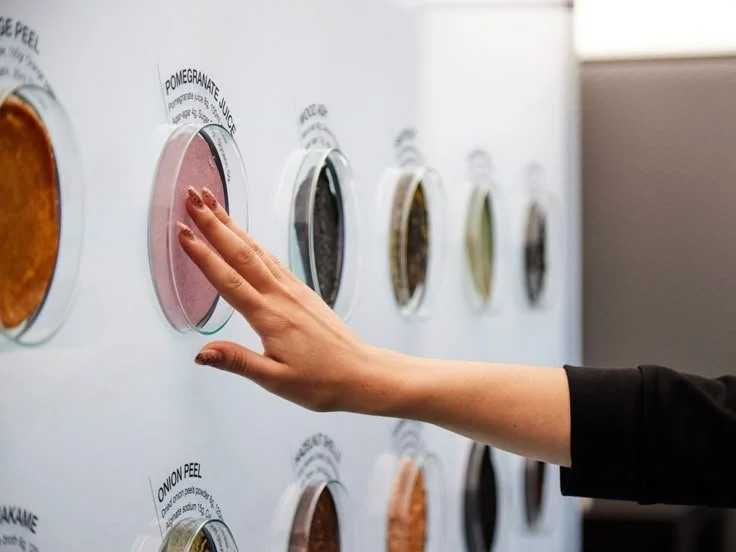
We live in a world of surfaces—what we touch, walk on, sit within, and rest against. Yet the materiality of a space is rarely evaluated beyond aesthetic or cost. Touch is our first developmental sense, and it remains one of the most grounding.
Your skin is a boundary, but also a bridge. The textures, temperatures, and densities you contact daily are constantly informing your nervous system, regulating your sense of safety, comfort, and embodiment.
Do the materials in your space feel warm, soft, grounding—or cold, sterile, and sharp? Are natural elements present underfoot or by hand? Do you feel a connection to the textures around you, or a desire to avoid contact?
Tactile experience influences how deeply we settle into a space. Materials are not inert; they transmit energy. Synthetic materials tend to dissipate charge. Natural materials tend to hold, ground, and harmonize it.
Ancient architecture used materials chosen for energetic compatibility: stone, wood, clay, linen, wool. These were not nostalgic choices—they were bio-affinitive technologies.
What We Measure
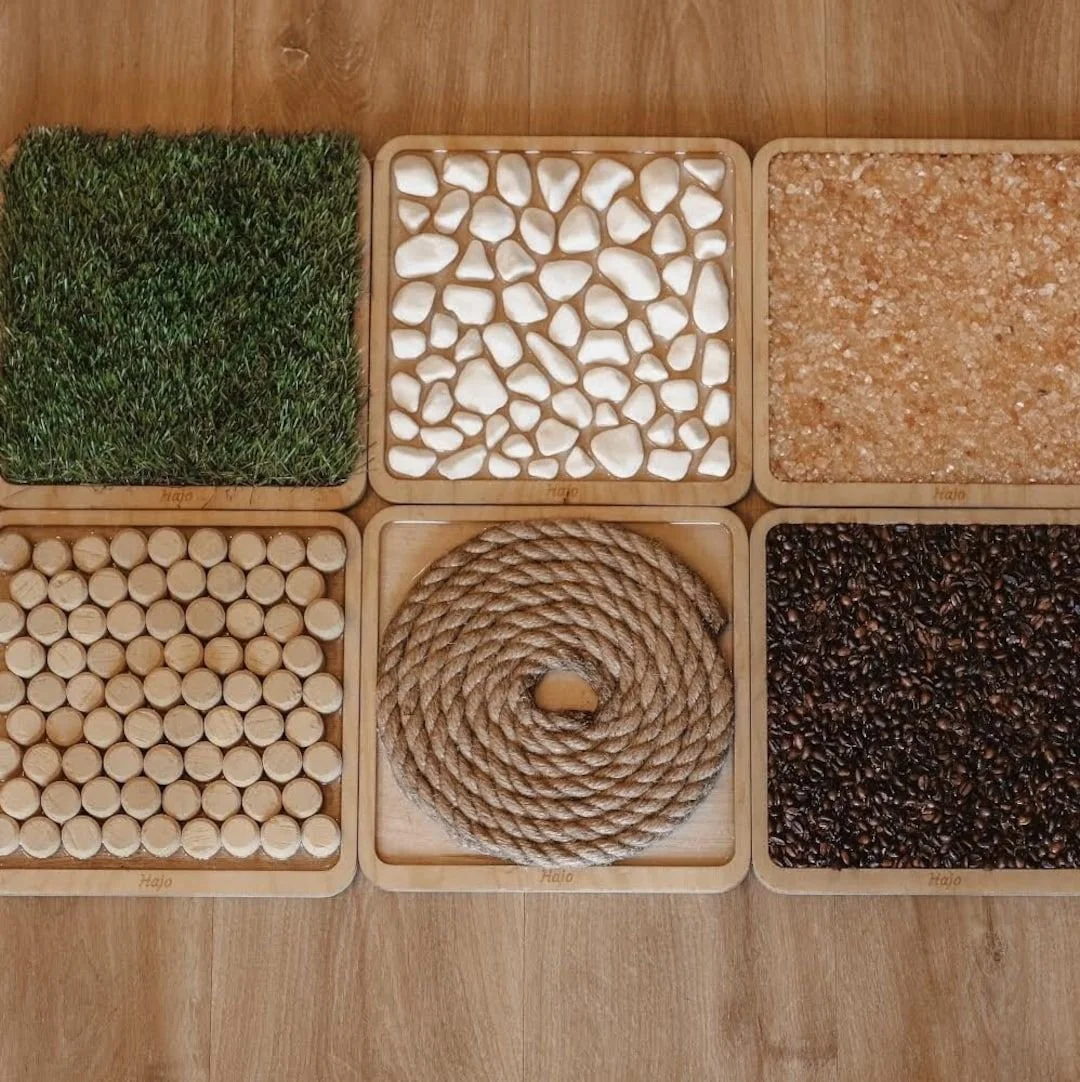
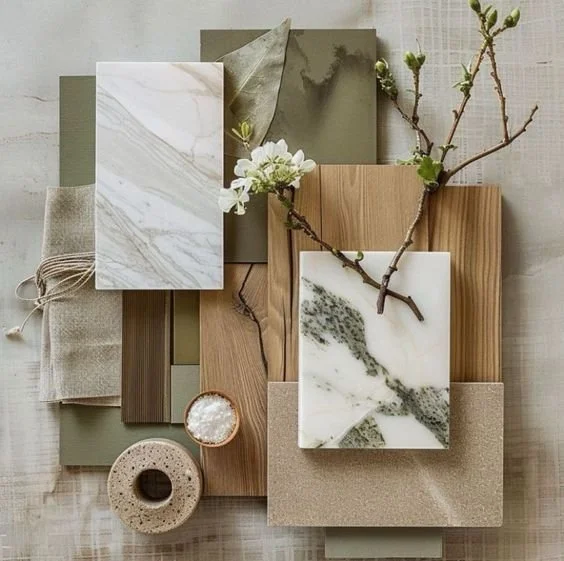
This pillar evaluates: - Material Origin: Natural, processed, or synthetic - Texture Profile: Softness, roughness, friction - Thermal Conductivity: Warmth or coldness on contact - Electromagnetic Compatibility: Conductive vs. grounding surfaces - Emotional Tone: How each surface influences mood, safety, and presence
We also invite reflection: - Where do you sit, lie, or lean most? - Which materials do you crave contact with? - Which surfaces repel or fatigue you?
Referenced frameworks: - Tactile perception research (somatosensory science) - Material ecology & biomimicry - Neuroarchitecture and haptics - Biogeometry material harmonization protocols
Why It Matters
Tactile incoherence leads to subtle disconnection. Over time, this can reduce somatic awareness, cause sensory stress, and fragment one’s felt sense of home. Material harmony, by contrast, grounds the nervous system, fosters intimacy with place, and enhances present-moment embodiment.
ARKAION helps you curate not just what your space looks like—but what it feels like.
Begin the Tactile & Material Experience Assessment →
Transform your space into a sanctuary of grounded contact and embodied presence