SPATIAL STRUCTURE & CONFIGURATION
Home >> Spatial Structure & ConfigurationLayout, density, and spatial proportions affect movement, orientation, and stress levels by shaping how people navigate and experience a space. Clear circulation paths and balanced proportions support ease of movement, intuitive wayfinding, and a sense of openness, while overcrowded or poorly organized layouts can create confusion, restrict flow, and increase psychological stress. Thoughtful spatial design enhances comfort, efficiency, and overall well-being by aligning the environment with natural human behavior.
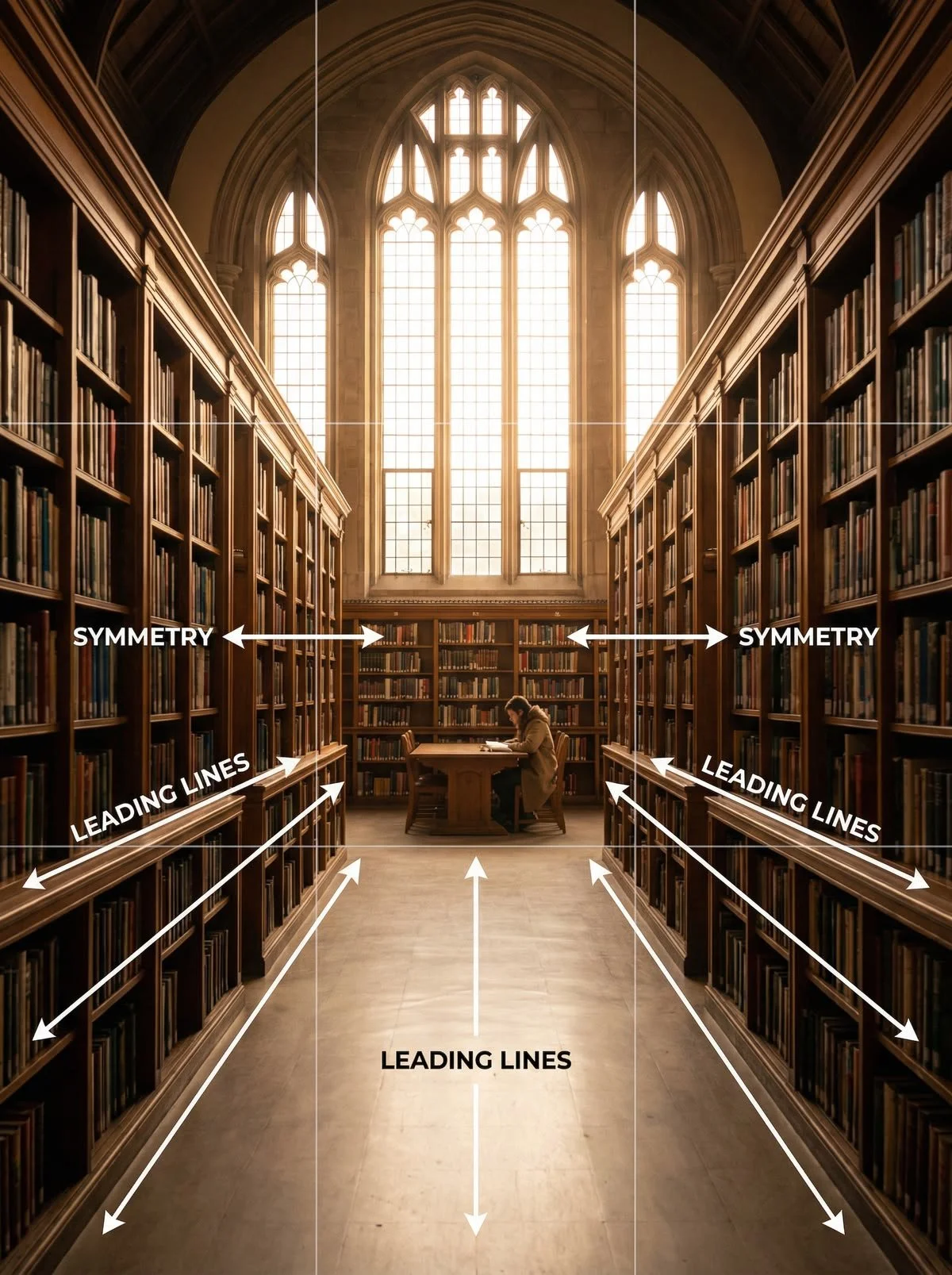

The way space is organized influences how people move, navigate, and experience an environment.
Poor spatial configuration can create confusion, crowding, and stress, while clear and well-proportioned spaces support ease of use and comfort.
Evaluation includes:
layout clarity
circulation flow
spatial density
Good spatial design reduces cognitive load and improves usability.