MOVEMENT & ERGONOMICS
Home >> Movement & ErgonomicsMovement patterns and physical interaction with space affect health, energy, and long-term physical condition by shaping how often and how naturally the body engages in activity. Environments that encourage movement—through circulation, accessibility, and ergonomic design—support mobility, posture, and overall vitality, while sedentary or restrictive layouts can contribute to fatigue, discomfort, and chronic health issues. Thoughtful spatial design promotes active behavior, reduces physical strain, and supports sustained well-being over time
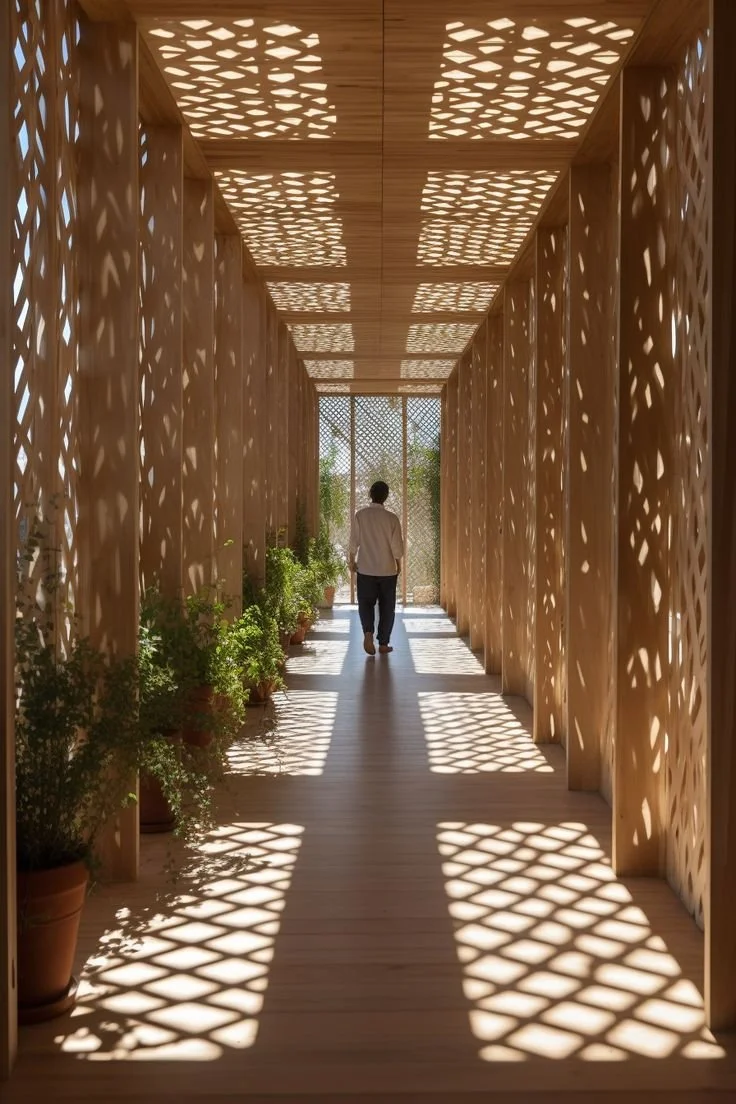
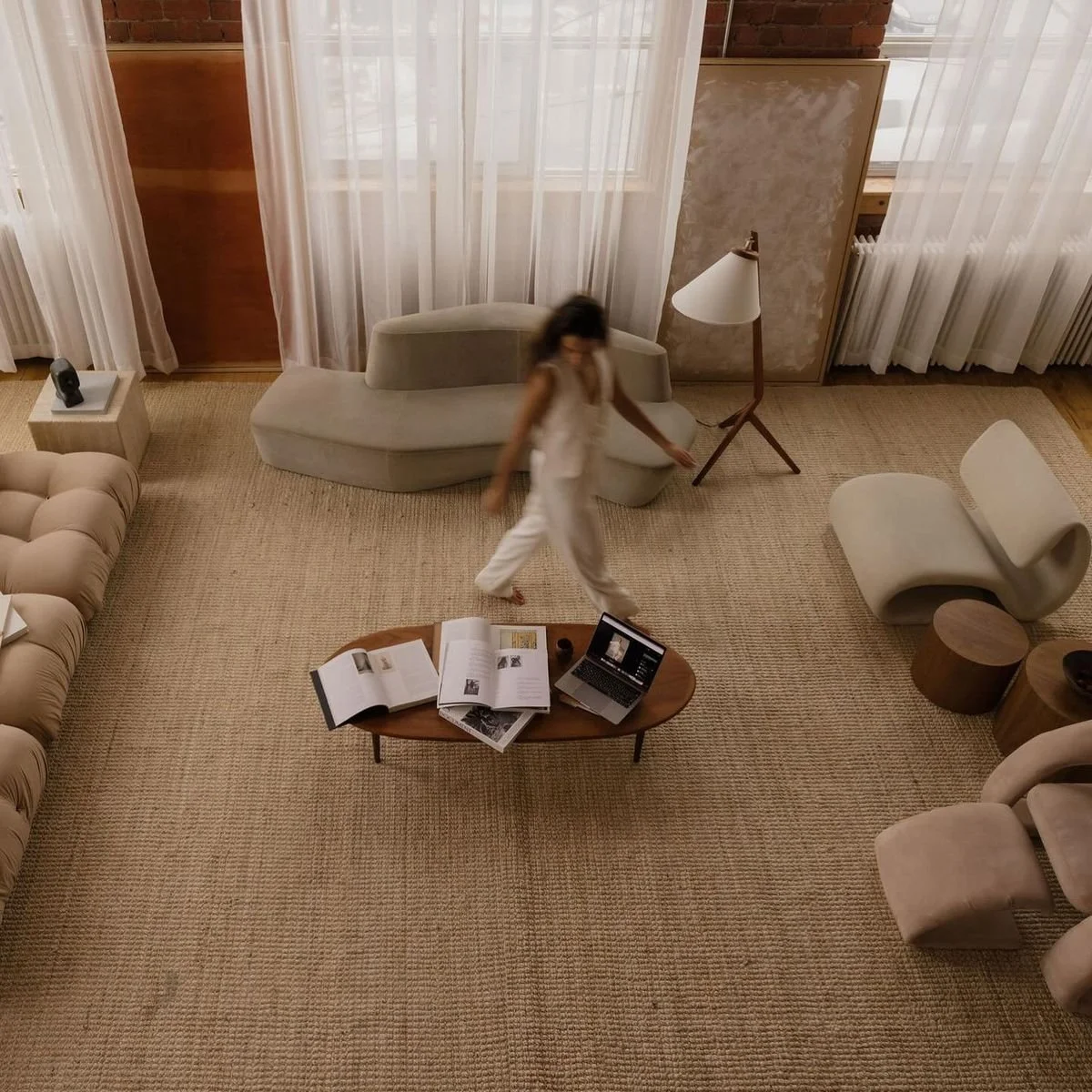
The built environment can either encourage or limit movement. Sedentary conditions are linked to multiple health risks, while active environments support energy and physical health.
Considerations include:
circulation design
accessibility
ergonomics
Spaces that support movement contribute to long-term health and performance.