LIGHT & CIRCADIAN ENVIRONMENT
Home >> Light & Circadian EnviromentLight regulates circadian rhythm, sleep cycles, hormone production, and cognitive performance through its intensity, timing, and spectral composition. Exposure to natural daylight supports alertness, mood stability, and healthy melatonin production, while poor lighting conditions can disrupt sleep patterns, reduce focus, and contribute to long-term metabolic and psychological imbalances. Thoughtfully designed lighting environments help align the body’s internal clock with daily activity, improving both daytime performance and nighttime recovery.
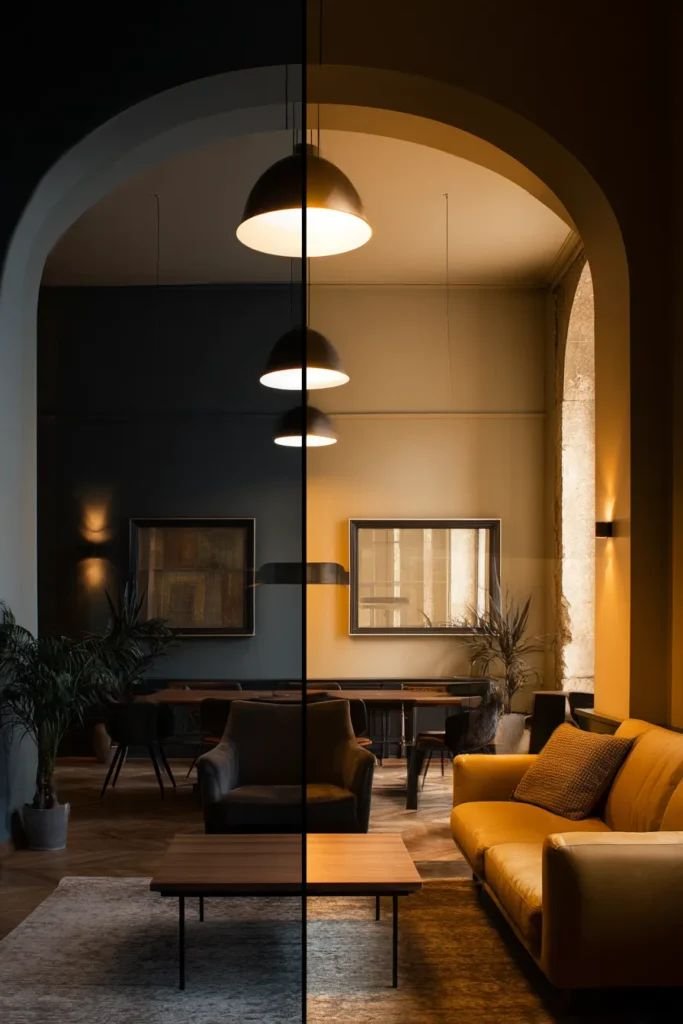
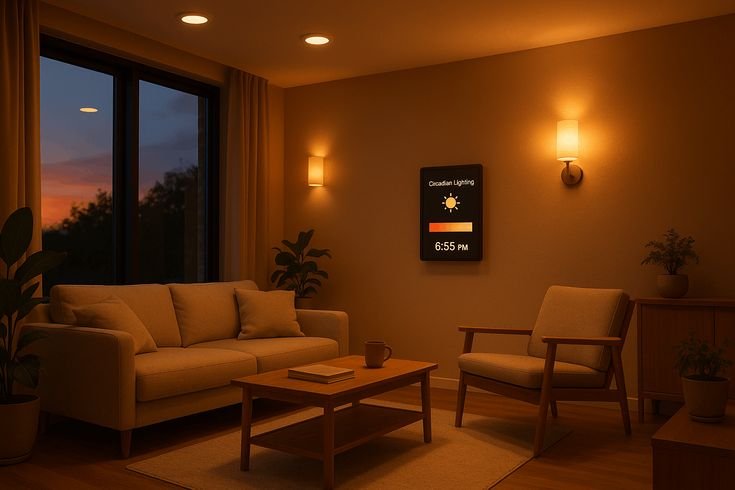
Light is a primary regulator of the human biological clock. Exposure to appropriate light during the day and reduced artificial light at night supports sleep quality, alertness, and hormonal balance.
Poor lighting conditions—whether insufficient daylight or excessive artificial exposure—can disrupt circadian rhythm and impact mood, energy, and cognitive function.
Key variables include:
daylight access
artificial light spectrum
timing and exposure patterns
Aligning lighting conditions with human biology improves both performance and recovery.